
Madeira Digital Nomad Guide 2026: Costs, Wifi, Visas and Where to Actually Live
Fast fibre, mild winters and a village that started it all. The honest numbers on rent, internet and visas for remote work in Madeira.

Madeira became a digital nomad destination almost by accident. In 2021 the regional government turned a quiet seaside village called Ponta do Sol into a free coworking hub, several hundred remote workers turned up, and the island has been on the list ever since. Five years on the novelty has worn off and the practical picture is clearer, which is good news if you are deciding where to spend a winter.
Why remote workers keep choosing Madeira
Winter daytime temperatures sit between 19 and 22 degrees. Fibre reaches almost every settlement, with 500 Mbps packages standard and gigabit common in Funchal. Flights connect daily to Lisbon, London, and most German hubs, so a client meeting on the mainland is a two hour hop. And the island is small enough that you can finish work at six and be on a mountain ridge at seven.
What it costs in 2026
A one bedroom flat in Funchal on a monthly contract runs 800 to 1,100 euros, which is roughly Lisbon prices, though short term listings in winter drop closer to 700. Outside the capital, Caniço, Machico and Calheta sit around 600 to 850. Add roughly 90 euros for utilities and 25 for a mobile plan. Groceries feel cheaper than the mainland for fish and fruit, dearer for anything imported. A coworking desk costs 90 to 150 euros a month, and a coffee with a view is still under two euros. Most solo nomads settle in a 1,600 to 2,200 euro monthly budget without feeling restricted. Our cost of living in Portugal breakdown compares that with mainland cities.
Where to base yourself
Funchal
Best for anyone who wants restaurants, gyms, a proper coworking scene and no car. The old town around Rua de Santa Maria is lively, and the Lido area is quieter with sea pools.
Ponta do Sol
The original nomad village, twenty five minutes west, sunniest spot on the island and a real community of people who all arrived alone. Small, so it can feel like a campus.
Caniço
Cheaper, residential, ten minutes from the airport and popular with people staying six months or more.
Calheta
Southwest, with the island's only sandy beach and a slower rhythm. You will want a car.
Visas and tax, briefly
EU citizens simply register at the local câmara after three months. Non EU remote workers use the D8 digital nomad visa, which in 2026 asks for proof of income around four times the Portuguese minimum wage, health insurance and accommodation. It can be issued for a year and renewed. Tax residence starts after 183 days in the country, and Madeira applies the same personal income tax rules as the mainland, with some regional deductions. Talk to an accountant before you cross the 183 day line, not after. The wider picture for relocation is in our Portugal for digital nomads guide.
The parts nobody mentions
The road network is a series of tunnels and steep gradients, so rent a small car, not a big one. Humidity in Funchal can be high in autumn and clothes take a while to dry. The north coast gets genuinely different weather from the south, often on the same afternoon, which is a gift once you learn to chase it. And the levada walks, described in our Madeira levada walks article, are the reason most people extend their stay.
FAQ
- Is the internet reliable in Madeira?
- Yes. Fibre covers most of the island, 500 Mbps is a standard home package and coworking spaces in Funchal and Ponta do Sol run backup connections.
- How much does a digital nomad need per month in Madeira?
- Between 1,600 and 2,200 euros for one person including rent, food, coworking and a small car in 2026.
- Do I need a visa to work remotely from Madeira?
- EU citizens do not. Others usually apply for the Portuguese D8 digital nomad visa, valid for a year and renewable.
Latest articles
 Business Travel
Winter Business Travel in Portugal: Cheap Rooms, Warm Light, Real Work
Between November and March, Portugal is the cheapest good-weather place in western Europe to hold a meeting. Here is how the numbers and the logistics work.
 Annual Events
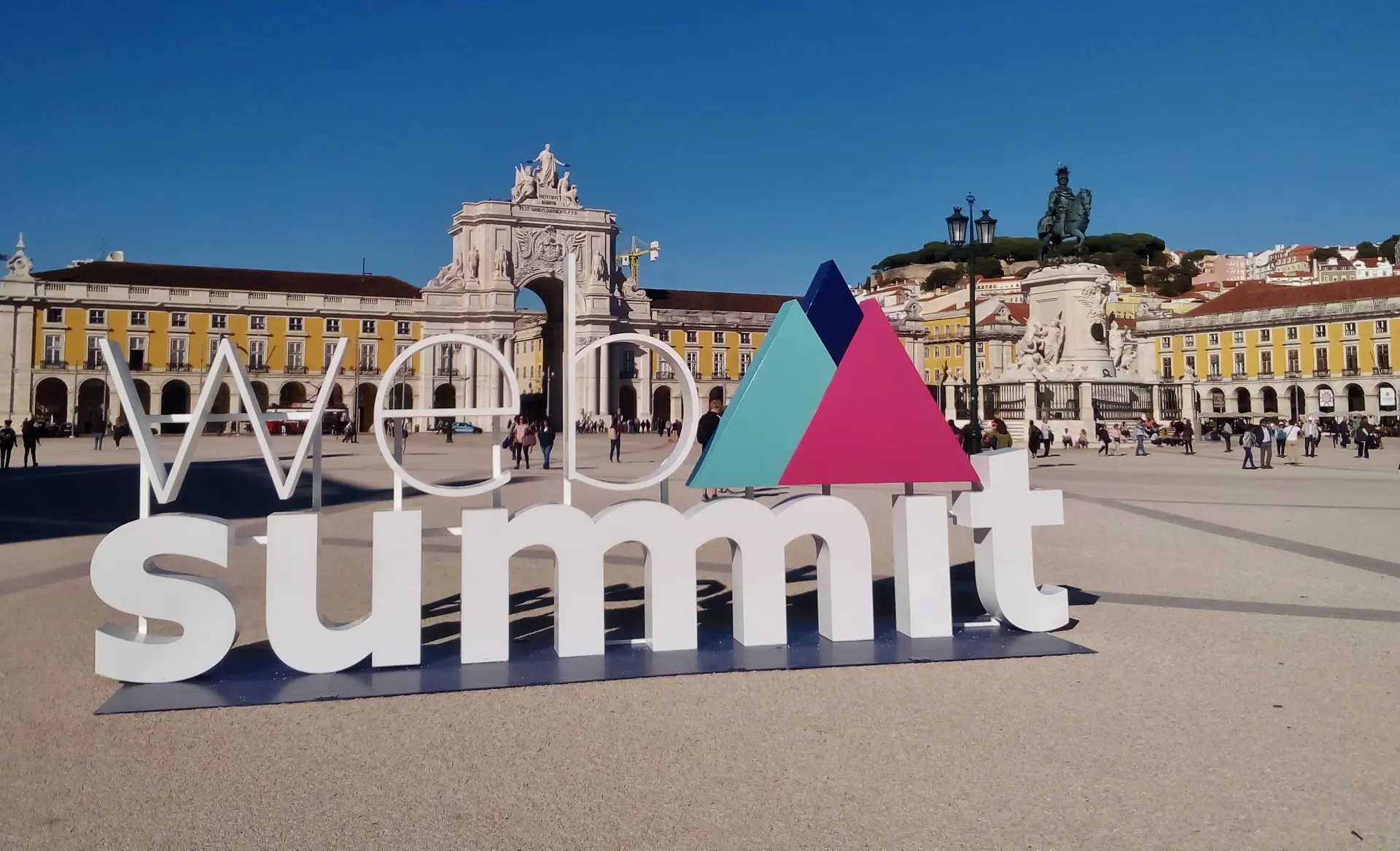
Web Summit Lisbon: The City That Turns Into a Conference
Every autumn Web Summit fills Lisbon with founders, engineers and curious travellers. Here is how to enjoy the week without a badge.
 Annual Events
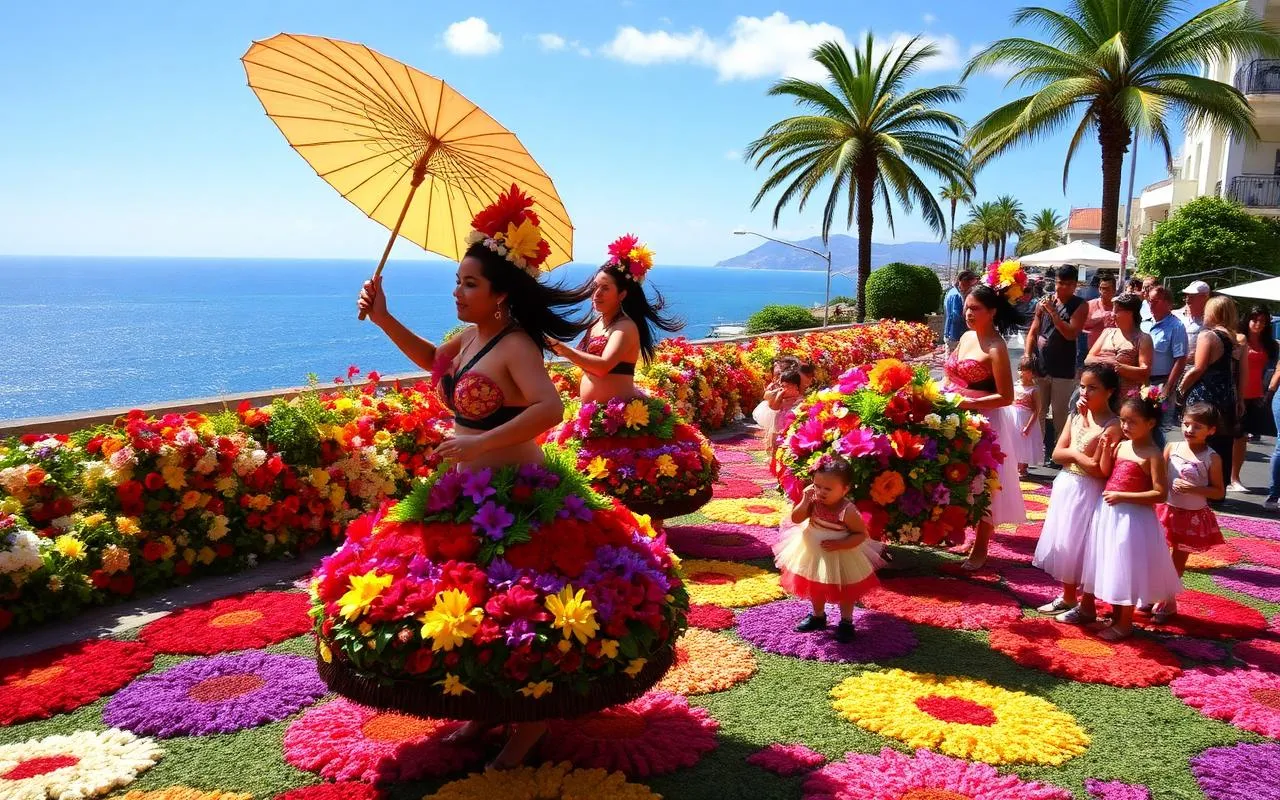
Madeira's Flower Festival: An Island That Shows Off
Flower carpets in the streets, a parade of floats made entirely of petals and children building a wall for peace. Madeira in spring is the island at full volume.