
Santo António in Lisbon: Sardines, Manjericos and a Wedding or Two
For one month Lisbon decorates itself in garlands, grills a small ocean of sardines and marries a dozen couples at once. June is the city's real holiday season.
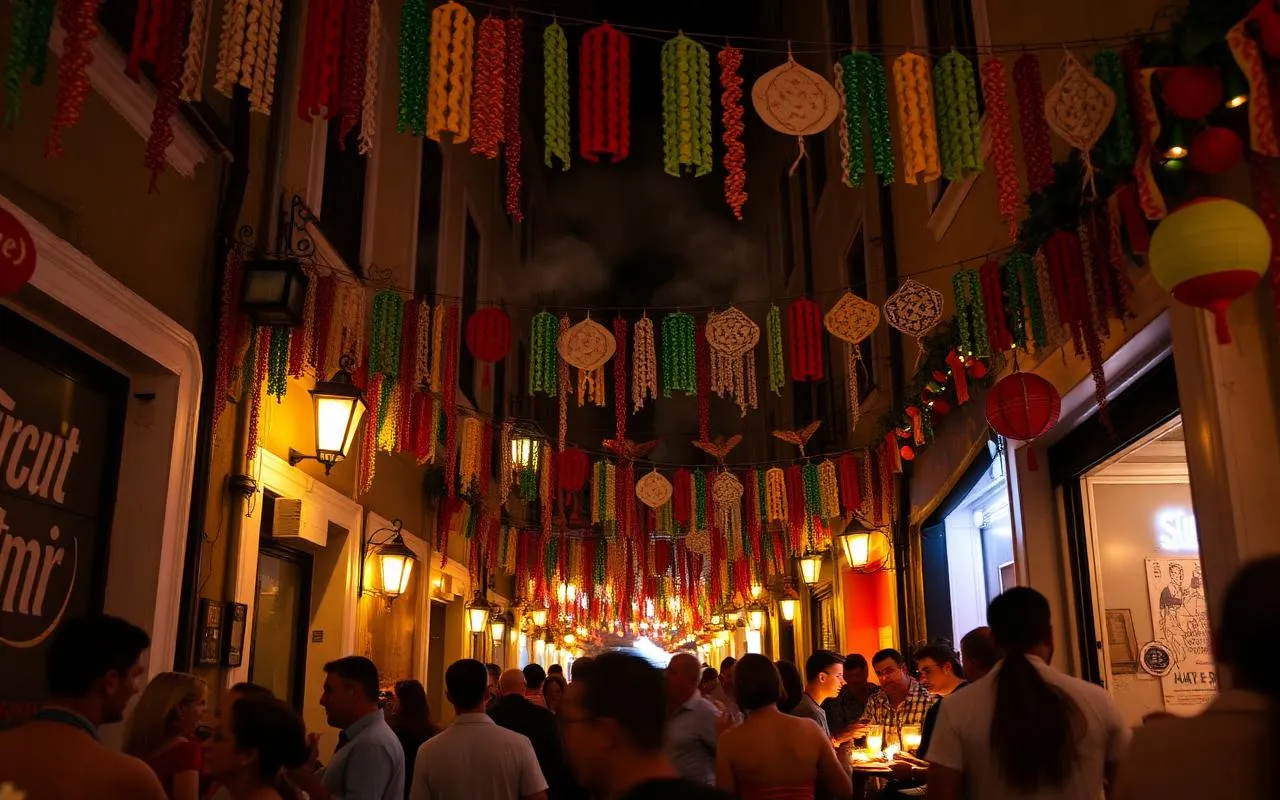
Photo: Decorated street during the Santos Populares festivities, Lisbon
Lisbon spends June in a good mood. The garlands go up over the narrow streets at the start of the month, the charcoal grills come out of storage, and by the second week the whole city smells faintly of sardine and basil. The official reason is Santo António, the city's favourite saint, born here in 1195 and credited, among other things, with finding husbands for the unmarried. The real reason is that after a long spring everyone is ready to be outside until very late.
The centrepiece is the night of 12 June, when the Marchas Populares take over Avenida da Liberdade. Each historic neighbourhood, Alfama, Mouraria, Bica, Madragoa and the rest, fields a group with matching costumes, a choreographed routine and an original song, all competing for a trophy that matters far more than you would expect. It has been running since 1932. Watching from the pavement is free, the atmosphere is somewhere between football match and family reunion, and the commentary from the grandmothers around you is half the show.
When the parade ends, the city disperses uphill into the arraiais, the neighbourhood street parties. Alfama is the famous one, its lanes so full you move with the crowd rather than through it, but Mouraria and Graça are just as good and a degree calmer. The menu is identical everywhere and needs no translation: sardines on bread, caldo verde, bifanas, sagres or vinho verde, and a slice of watermelon if you are being virtuous.
Two small traditions are worth knowing. The first is the manjerico, a little pot of bush basil sold everywhere in June, with a paper carnation and a rhyming love flag stuck in it. You give one to someone you like. The correct way to smell it, and Lisboetas will correct you on this, is to touch the leaves gently and smell your fingers. The second is the Casamentos de Santo António, where the city pays for a dozen couples to marry together in the cathedral on 12 June, a tradition running since 1958. The brides come out into the street afterwards and the whole crowd applauds. It is very hard not to.
Practical notes. June accommodation in Lisbon books out fast, so plan early. On the 12th, the centre is pedestrian and the metro runs late. And do not try to do everything; pick one parade spot and one neighbourhood party, and let the rest of the night happen to you.
FAQ
- When are the Santo António festivities?
- All of June, with the peak on the night of 12 to 13 June. That is when the Marchas Populares parade down Avenida da Liberdade and every neighbourhood throws its arraial street party.
- What are the Marchas Populares?
- A competitive parade where each historic neighbourhood fields a group with costumes, choreography and an original song. It has run since 1932 and locals take it very seriously.
- What is a manjerico?
- A small pot of bush basil with a paper carnation and a rhyme flag, given as a love token. Tradition says you smell it by touching the leaves, never the flowers, or the plant dies.
- Where should I go on the night of the 12th?
- Start at the Avenida for the parade, then climb into Alfama or Mouraria for the street parties. Wear flat shoes, carry cash, and expect to be gently pulled into a dance.
Latest articles
 Annual Events
São João in Porto: The Night Nobody Sleeps
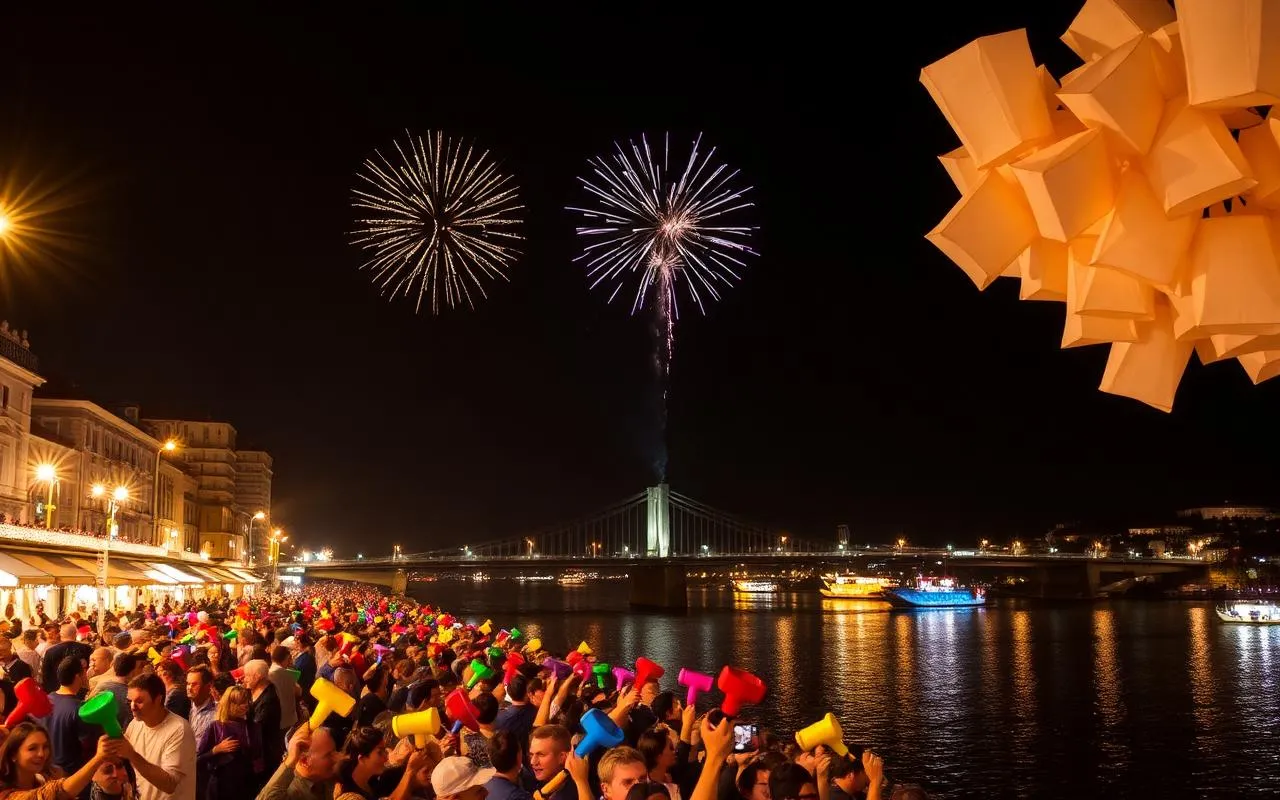
Plastic hammers, the smell of grilled sardines in every street and fireworks over the river. São João is Porto at its most itself.
 Events
Portugal's Big Annual Events: A Year-Round Calendar
From Carnival in February to Rock in Rio in June and New Year fireworks in Madeira, the dates worth planning a trip around.
 Culture & Heritage
The Seven Wonders of Portugal: A Monument Route from Belém to the Douro
In 2007, more than half a million people voted to pick Portugal's seven official wonders. The result is a ready-made itinerary through nine centuries of stone, salt and ambition.