
Algarve Surf Camps for Beginners: Where to Learn Without Getting Hurt
The Algarve teaches surfing well because it has two coasts. When the west is too big, the camps drive you south to knee high water and a good day.
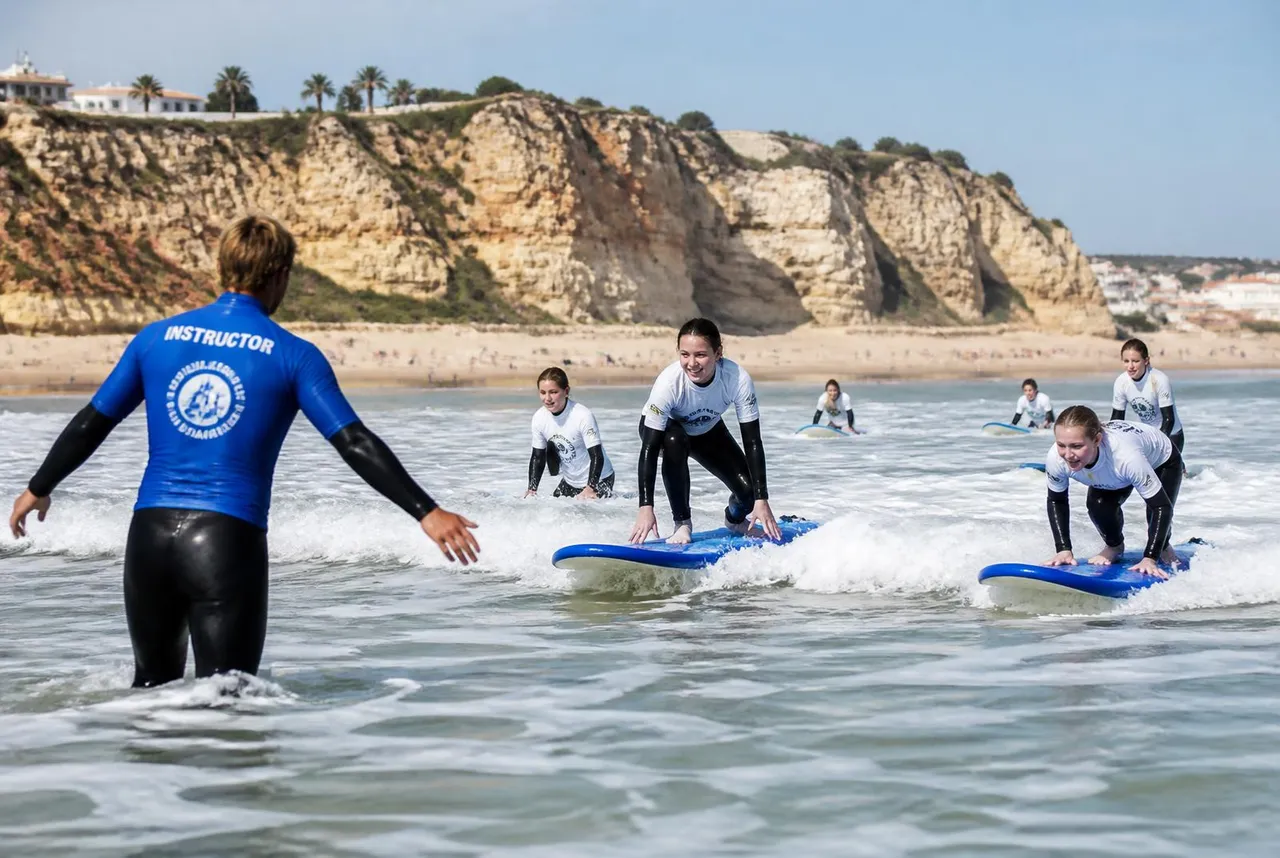
Photo: Beginner surf lesson, Algarve
Algarve surf camps for beginners exist in the corner where two coastlines meet. The west coast, from Aljezur down to Sagres, faces the open Atlantic and takes everything the ocean sends. The south coast, from Sagres east to Lagos, sits in the lee. That geography is the whole product: your instructor checks the forecast at breakfast and decides which side of the cape you learn on. On a bad west day you end up at Praia do Martinhal or Zavial in gentle waist high water instead of being tumbled for two hours.
The beginner beaches that matter
Amado, near Carrapateira, is the classic learning beach, a wide sandy bay with a car park, a café and enough space for six schools to spread out. Arrifana, in a horseshoe cove below Aljezur, is prettier and slightly more technical; go on a small day. Beliche and Tonel, near Sagres, work when the swell drops. On the south side, Zavial and Martinhal turn on when the west is unsurfable, and Meia Praia in Lagos is about as forgiving as Portuguese sand gets.
What a camp week is really like
Most camps run seven nights with five surf days. Morning is theory on the sand, then two hours in the water on a soft top, then lunch and a long flat afternoon. Day one you catch whitewater on your belly. By day three most people stand up on a green wave, wobble, and fall in a way they will describe repeatedly at dinner. By day five the good camps split the group so the faster learners get pushed and nobody feels stuck.
Look for a maximum of six students per instructor, ISA or Portuguese federation certification, and transport included, because the transport is the whole point on this coast. Ask directly whether the camp moves beaches based on conditions. If the answer is vague, they surf one beach whatever the forecast says.
Prices in 2026
A week in a shared dorm with breakfast, dinner and five surf sessions runs 450 to 650 euros in shoulder season and 600 to 850 in July and August. A private double adds roughly 200 euros. Standalone group lessons cost 35 to 45 euros for two hours, and board plus wetsuit rental is around 20 to 25 euros a day. Faro airport is ninety minutes from Sagres by road; most camps offer a transfer for 30 to 50 euros, which beats a taxi.
When to come
May, June, September and October are the sweet spot: water around 19 degrees, small clean swell, and the west coast wind still manageable. July and August bring the strongest nortada and the fullest beaches, though the south coast stays calm. Winter is cheap and often beautiful, but the swell is bigger and beginner days become less frequent.
Bring reef safe sunscreen and a rash vest, because five days of sun and board rash does more damage than the waves. When you are steady on green waves, move up the coast to Peniche, and if you just want to see the ocean at full volume, go and watch Nazaré in winter. Between sessions the Algarve's quieter beaches are twenty minutes away in almost any direction.
FAQ
- How long does it take to learn to surf?
- Most people stand up on whitewater in the first two sessions and catch unbroken waves by day four or five of a camp week, with coaching and daily practice.
- Is the Algarve good for beginner surfers?
- Yes, mainly because camps can switch between the exposed west coast and the sheltered south coast, so there is almost always a small, safe option.
- What should you bring to a surf camp?
- A rash vest, reef safe sunscreen, flip flops, a warm layer for evenings and one change of dry clothes per day. Boards and wetsuits are always included.
Latest articles
 Nature, Outdoors & Sports
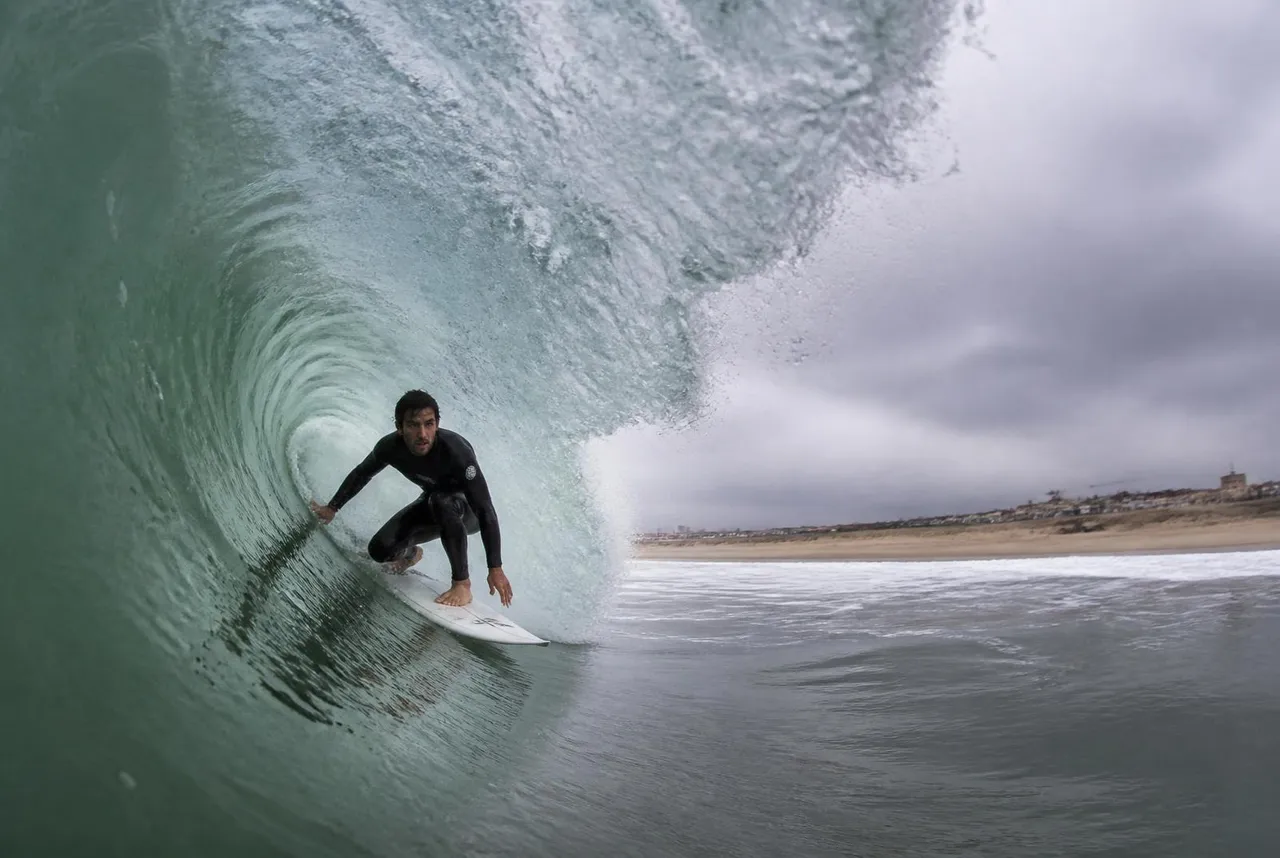
Peniche and Supertubos: Portugal's Most Reliable Surf Town
Peniche catches swell from almost every direction, which is why the surf season here never really closes. Supertubos is only part of the story.
 Nature, Outdoors & Sports
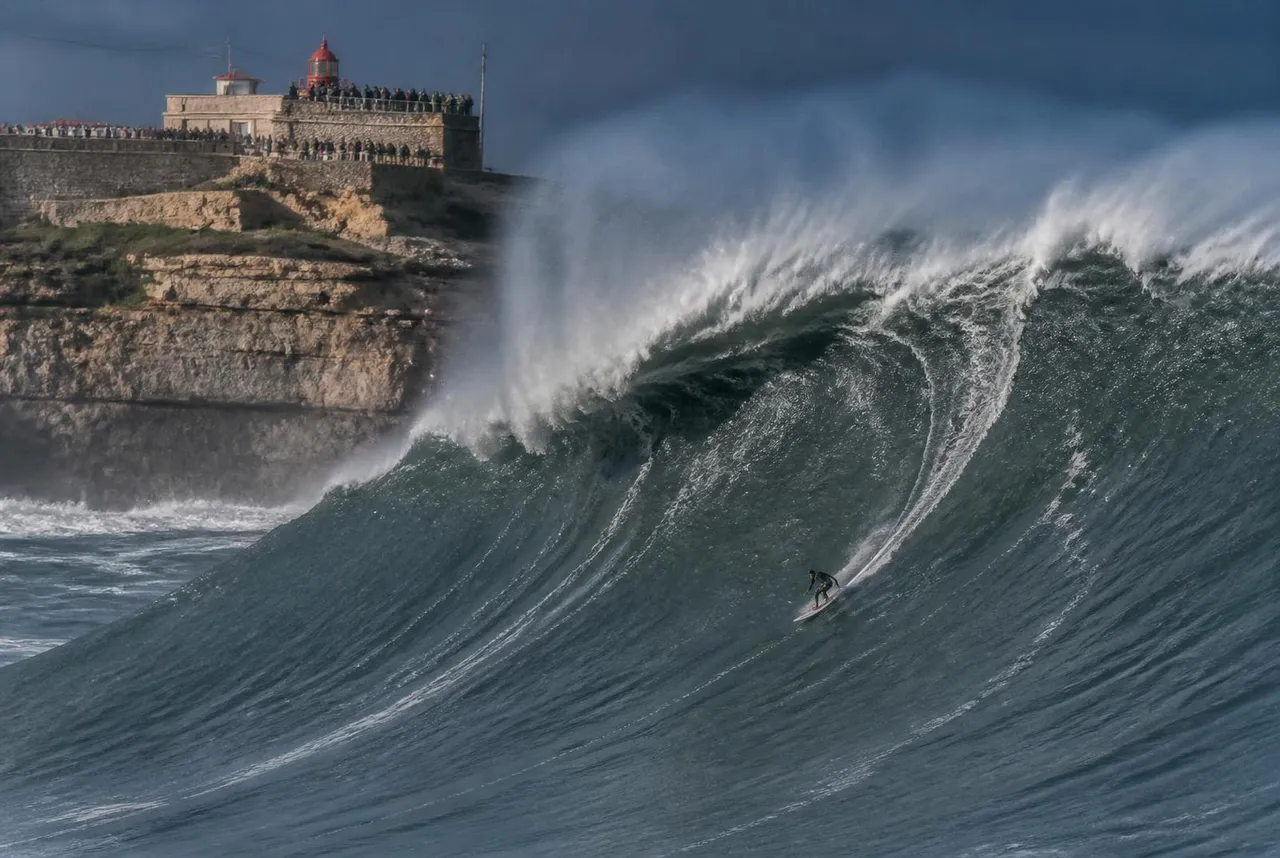
Nazaré Big Wave Surfing: Where to Watch, When to Go, What It Feels Like
Nazaré big wave surfing is a spectator sport as much as a discipline. Here is the viewpoint, the season and the forecast habit that decides your day.
 Road Trips
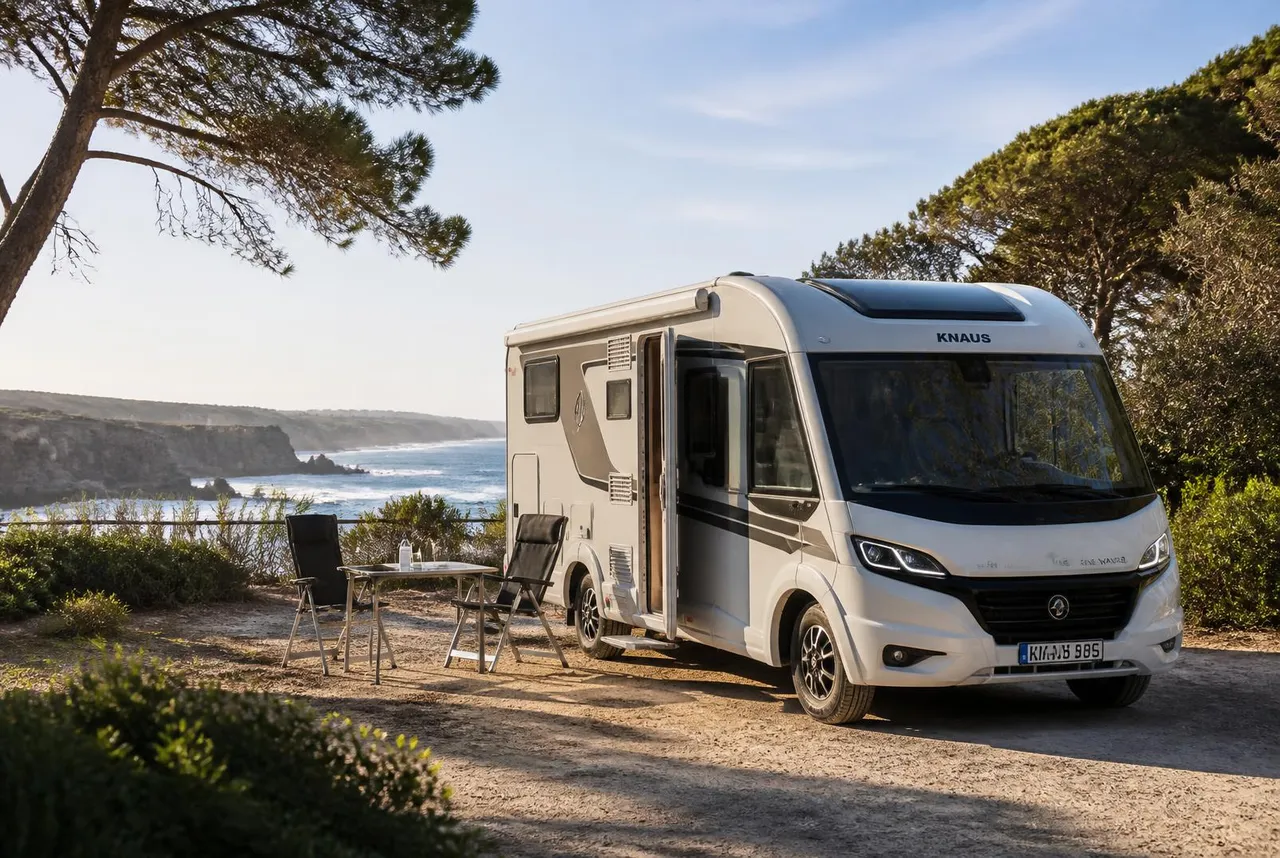
Portugal by RV and Van: Slow Roads, Ocean Air and Better Stops
A practical, respectful guide to campervan travel in Portugal, from the Atlantic coast to rural campsites and small towns worth slowing down for.