
Nazaré Big Wave Surfing: Where to Watch, When to Go, What It Feels Like
Nazaré big wave surfing is a spectator sport as much as a discipline. Here is the viewpoint, the season and the forecast habit that decides your day.
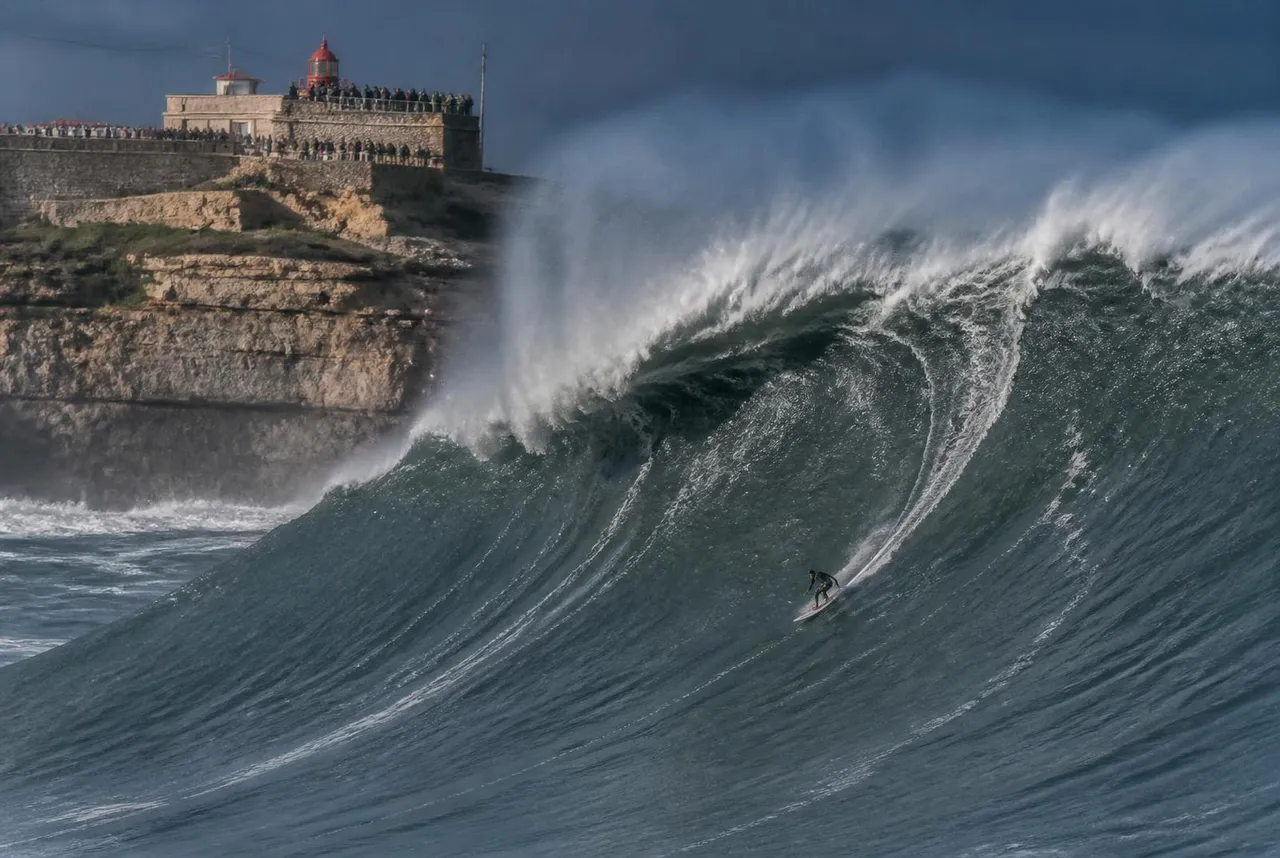
Photo: Praia do Norte, Nazaré
Nazaré big wave surfing happens because of a hole in the seabed. The Nazaré canyon runs five kilometres deep and points straight at Praia do Norte, funnelling Atlantic swell into a wall of water that can stand up over twenty metres. You do not need to surf to care. On a good winter morning, a few thousand people stand on the headland with coffee going cold in their hands, and nobody talks much.
Where to watch
The Forte de São Miguel Arcanjo, the small red lighthouse fort at the end of the promontory, is the spot. Walk out from Sítio, the upper town, and you look down on the peak from maybe eighty metres above it. Get there before nine on a forecast day, because the road up fills and the last stretch becomes a slow shuffle. If the fort is packed, the cliff path north of it gives you the same angle with more room and fewer railings, so keep children close.
The funicular from the lower town up to Sítio costs a couple of euros and saves your legs. It runs every fifteen minutes and gets busy, so buy the return early.
When to go
The season runs from October to March, and the biggest days cluster in late November through January. Swell arrives with North Atlantic storms, which means the giant days are announced three or four days out. Check Windguru or the Nazaré tow surfing feeds and look for a period above sixteen seconds with a west or north west direction. Anything under twelve seconds and you will see a rough grey beach with nobody on it.
Summer is a different town entirely. Praia da Nazaré, the sheltered beach in front of the old fishing quarter, is calm and family friendly from June onwards, and the fish restaurants stop taking bookings after eight.
What it actually feels like
The sound gets you first. It is not a crash, it is a low pressure thud you feel through the rock. Jet skis look like insects. The surfer disappears for so long that the crowd goes silent, then a spray plume goes up and everyone exhales at once. Photographers with long lenses line the wall, and the ones who know the place bring gloves, because the wind on that headland is brutal even when the sun is out.
Practical notes
Parking in Sítio is limited and mostly paid; the free lots are down in the town and it is a fifteen minute climb. Bring a windproof layer, not an umbrella, because the gusts destroy them. The Nazaré wave museum inside the fort costs a few euros and is honest about how the place was mapped and surfed. Afterwards, eat in the lower town, where grilled sardines in summer and caldeirada in winter still cost less than in Lisbon.
If you want to surf rather than watch, do not paddle out at Praia do Norte. Beginners belong at Praia da Nazaré or south at Peniche and Supertubos, where the schools and the sandbanks are built for learning. For a gentler week in the water, our Algarve surf camp guide covers the beginner coast.
FAQ
- When are the biggest waves in Nazaré?
- Between late November and January, when North Atlantic storms send long period swell into the canyon. The wider season runs October to March.
- Can beginners surf in Nazaré?
- Not at Praia do Norte. Beginners surf the sheltered Praia da Nazaré with a school, or head to Peniche where the beach breaks are far more forgiving.
- Is it free to watch the big waves?
- Yes. The headland and the cliff paths are open and free. Only the lighthouse wave museum charges an entry fee of a few euros.
Latest articles
 Nature, Outdoors & Sports
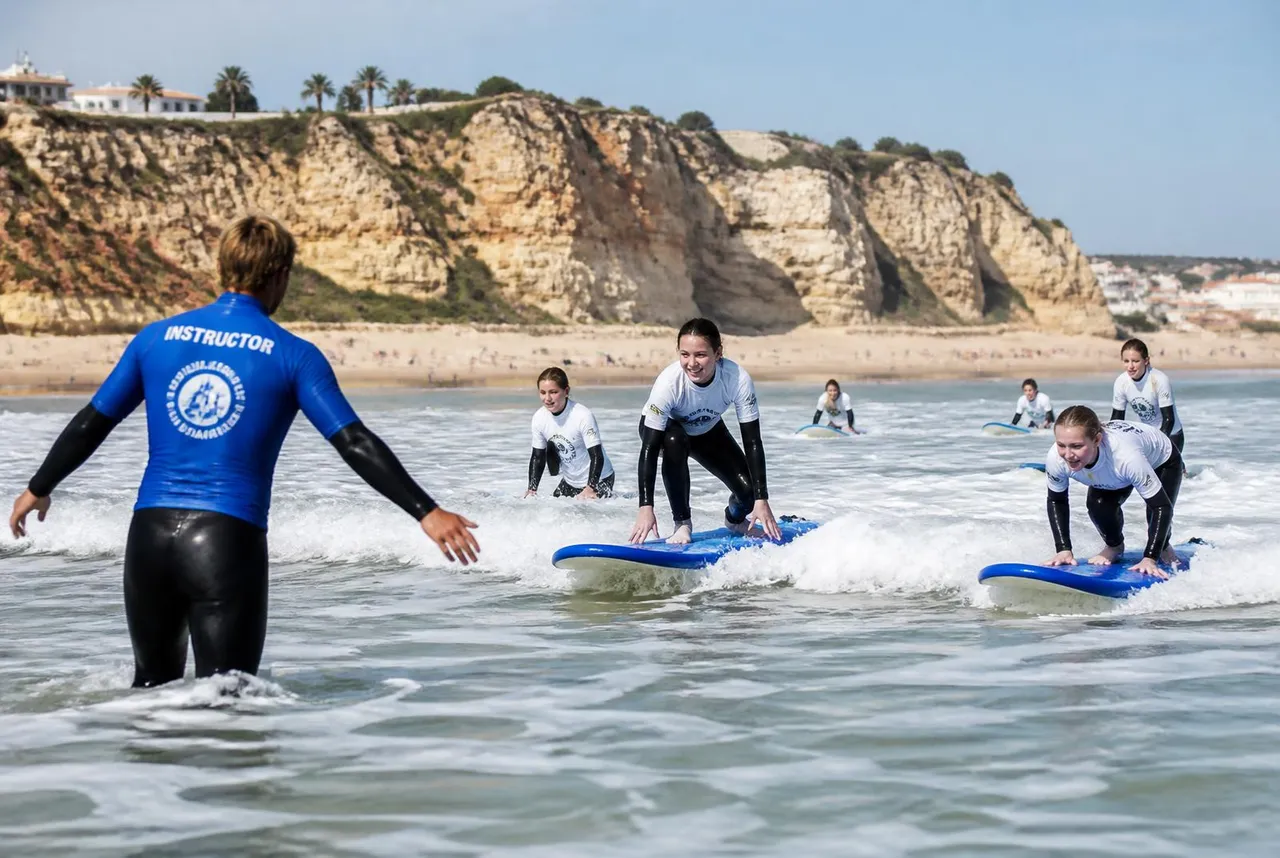
Algarve Surf Camps for Beginners: Where to Learn Without Getting Hurt
The Algarve teaches surfing well because it has two coasts. When the west is too big, the camps drive you south to knee high water and a good day.
 Nature, Outdoors & Sports
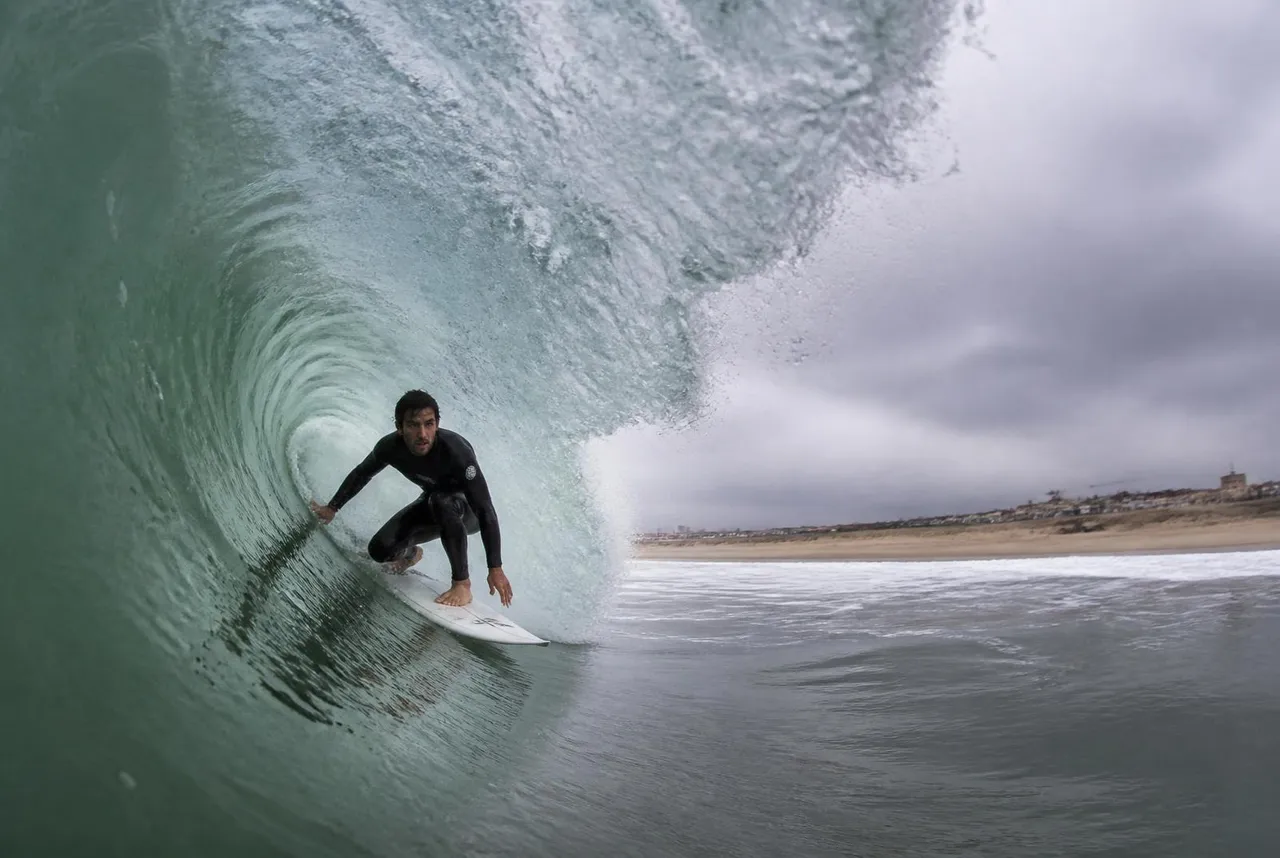
Peniche and Supertubos: Portugal's Most Reliable Surf Town
Peniche catches swell from almost every direction, which is why the surf season here never really closes. Supertubos is only part of the story.
 Nature, Outdoors & Sports
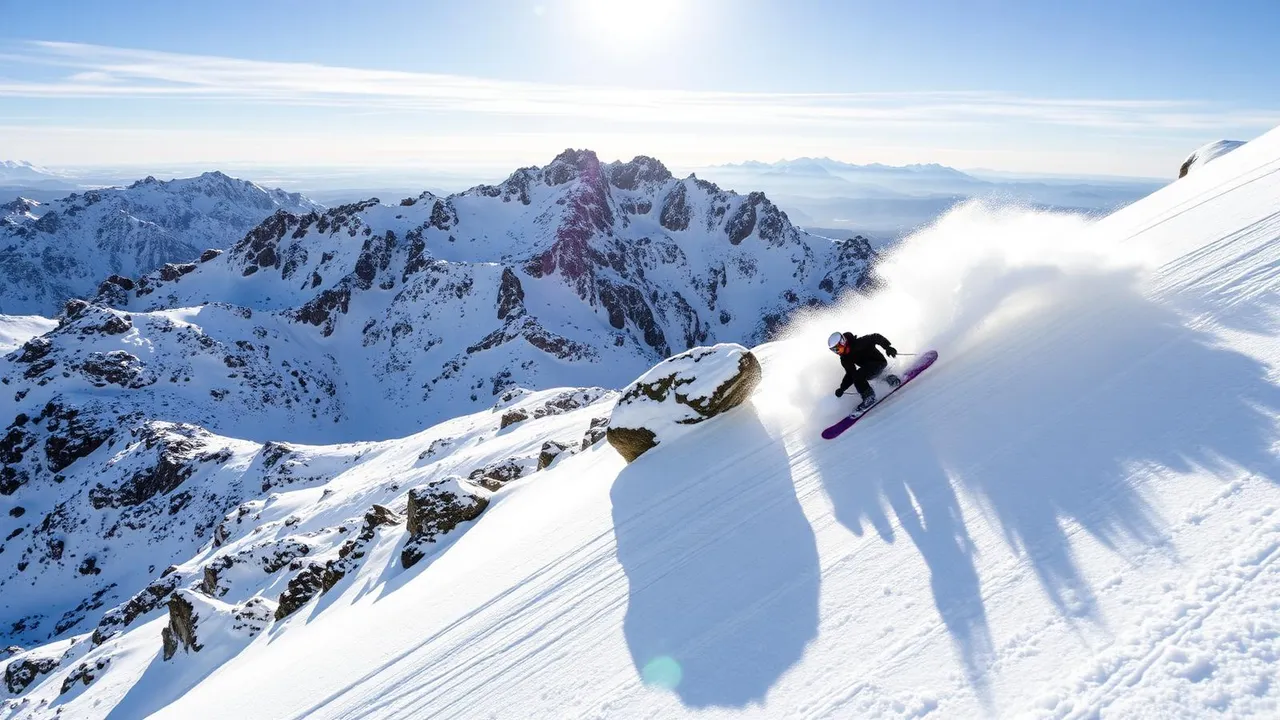
Snowboarding in Serra da Estrela: Portugal's Only Ski Area, Honestly Reviewed
One small resort, a short season and a mountain road that decides your day. What to expect from snowboarding in Portugal, without the marketing.