
Portugal's Thermal Spa Towns in Winter: Hot Water, Empty Streets
Steam over stone, water that leaves the ground at 70 degrees, and half-price rooms. Winter is when Portugal's termas make the most sense.
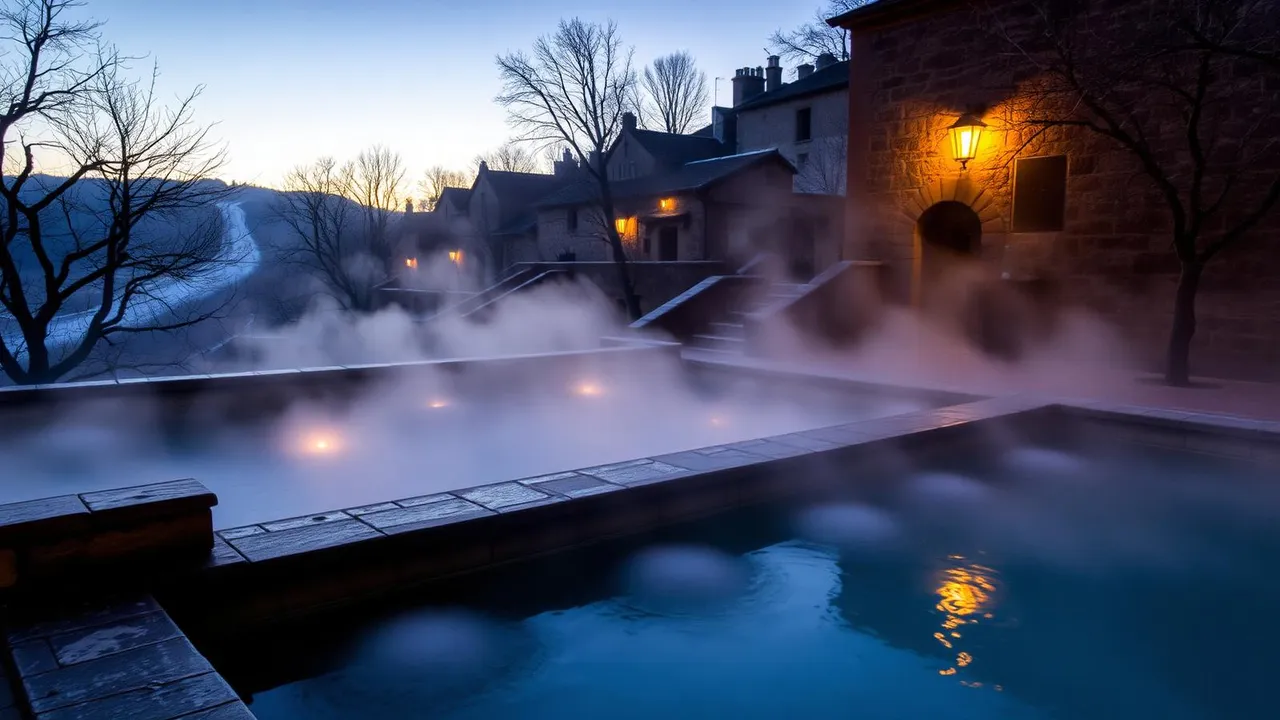
Photo: Historic thermal spa town, central Portugal
There is a particular kind of January morning in the interior of Portugal where the fog sits in the valley until eleven and the only warm thing for miles is coming out of the ground. That is the case for the termas. Portugal has spa towns the way Austria has ski villages, except almost nobody outside the country talks about them, and in winter you often have the place close to yourself.
Where the water is
Chaves, up in Trás-os-Montes, has the hottest spring on the Iberian peninsula, arriving at the surface at around 73 degrees. The town itself is worth the trip anyway, with a Roman bridge, a castle keep and pastelarias that still make pastel de Chaves fresh at four in the afternoon. São Pedro do Sul, near Viseu, is the busiest and probably the best all-rounder: a modern spa building next to the ruins of the bath house the Romans used, plus riverside walks when you need air. Luso, at the foot of the Buçaco forest, pairs the thermal baths with one of the most atmospheric woodland walks in the country. Monfortinho, tucked against the Spanish border, is the quiet one, and the drive there through Idanha-a-Nova is half the pleasure.
What a session actually looks like
You book a circuit, not a treatment, unless a doctor sent you. That usually means an indoor pool at body temperature, jets, a steam room, a cold plunge and a rest area with herbal tea. Ninety minutes is the standard slot, and 15 to 30 euros the standard price. Bring flip flops and a swimming cap, because most spas insist on both and charge you for forgetting.
The medical side still exists and is not a gimmick. People come with respiratory problems, joint pain or skin conditions and stay for a two week programme, often prescribed by their GP. If that interests you, book directly with the spa rather than through a hotel package.
Sleeping and eating for less
This is the winter argument. A guesthouse room in São Pedro do Sul that costs 110 euros in August often sits at 45 or 55 in January. Restaurants are full of locals rather than tour groups, and the food turns heavy in the best way: cozido, roast kid, cabbage soup, a dessert made mostly of egg yolks and sugar. Dinner for two with wine rarely passes 35 euros.
Getting there
All four towns realistically need a car. Chaves is about two hours from Porto, São Pedro do Sul around ninety minutes, Luso under an hour, and Monfortinho roughly three hours from Lisbon. Winter roads in the north can carry fog and occasional ice above 700 metres, so start late and drive slowly rather than leaving in the dark.
If you want the mountain version of a winter trip, our Serra da Estrela snowboarding guide covers the snow side, and the rural tourism pages have more of the quiet interior.
FAQ
- Are Portuguese thermal spas open in winter?
- Most of the big ones are. Chaves, São Pedro do Sul and Monfortinho run all year, while a few smaller village termas close from November to February. Check the day before, since some shut on Mondays.
- How much does a thermal session cost?
- A single pool and steam circuit is usually 15 to 30 euros for around 90 minutes. Medical treatments prescribed by a doctor cost less and are partly covered for residents.
- Which town is best for a first visit?
- São Pedro do Sul for the mix of modern spa and old Roman baths, Chaves if you want a proper town with restaurants, Luso if you are driving down from Porto and want forest walks too.
- Do I need to book?
- Yes at weekends, especially in January and February when Portuguese families take spa breaks. Midweek you can usually walk in.
Latest articles
 Food & Drink
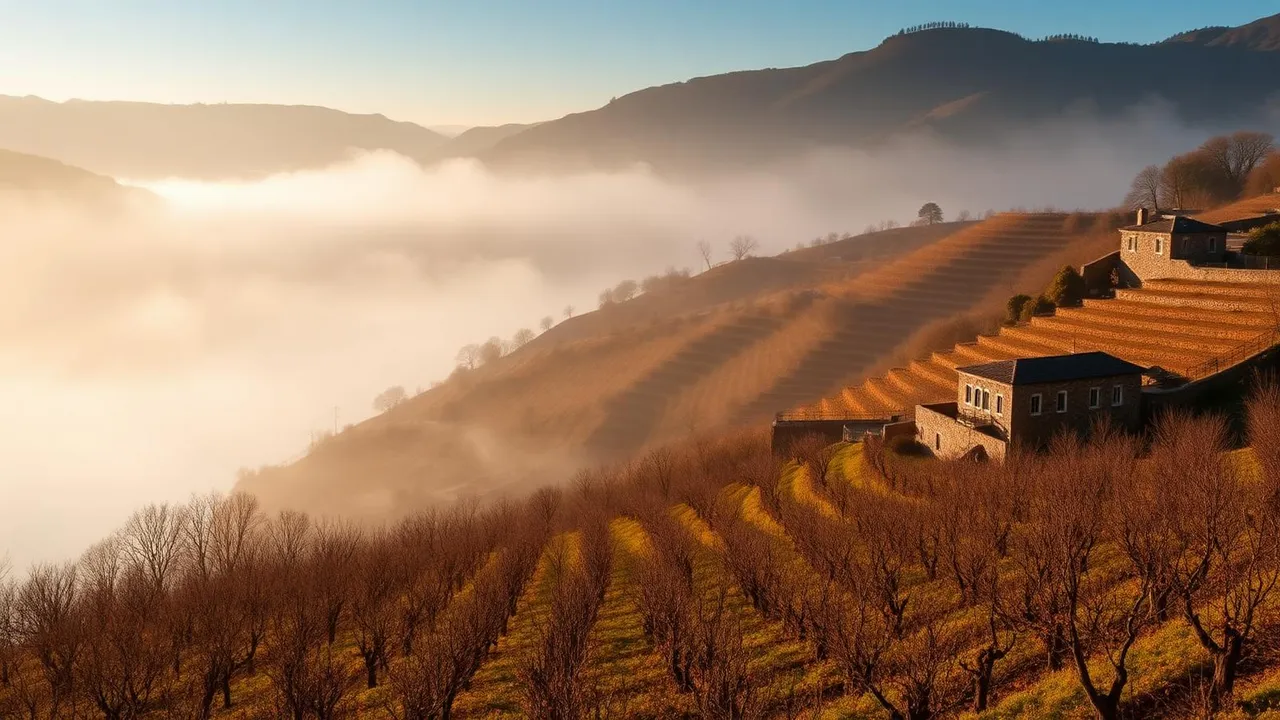
The Douro in Winter: Wine Tourism When the Vines Are Bare
No harvest crowds, no 38 degree heat, and winemakers who actually have time to talk. Winter may be the honest season in the Douro.
 Nature, Outdoors & Sports
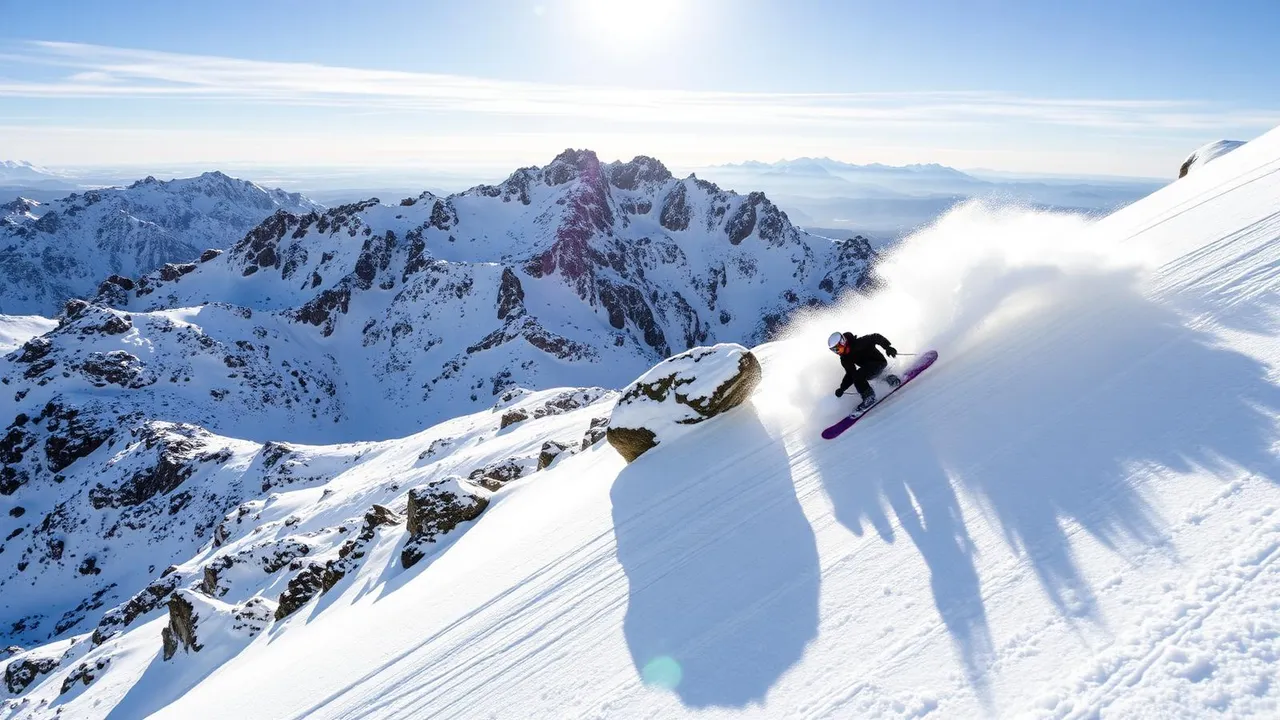
Snowboarding in Serra da Estrela: Portugal's Only Ski Area, Honestly Reviewed
One small resort, a short season and a mountain road that decides your day. What to expect from snowboarding in Portugal, without the marketing.
 Road Trips
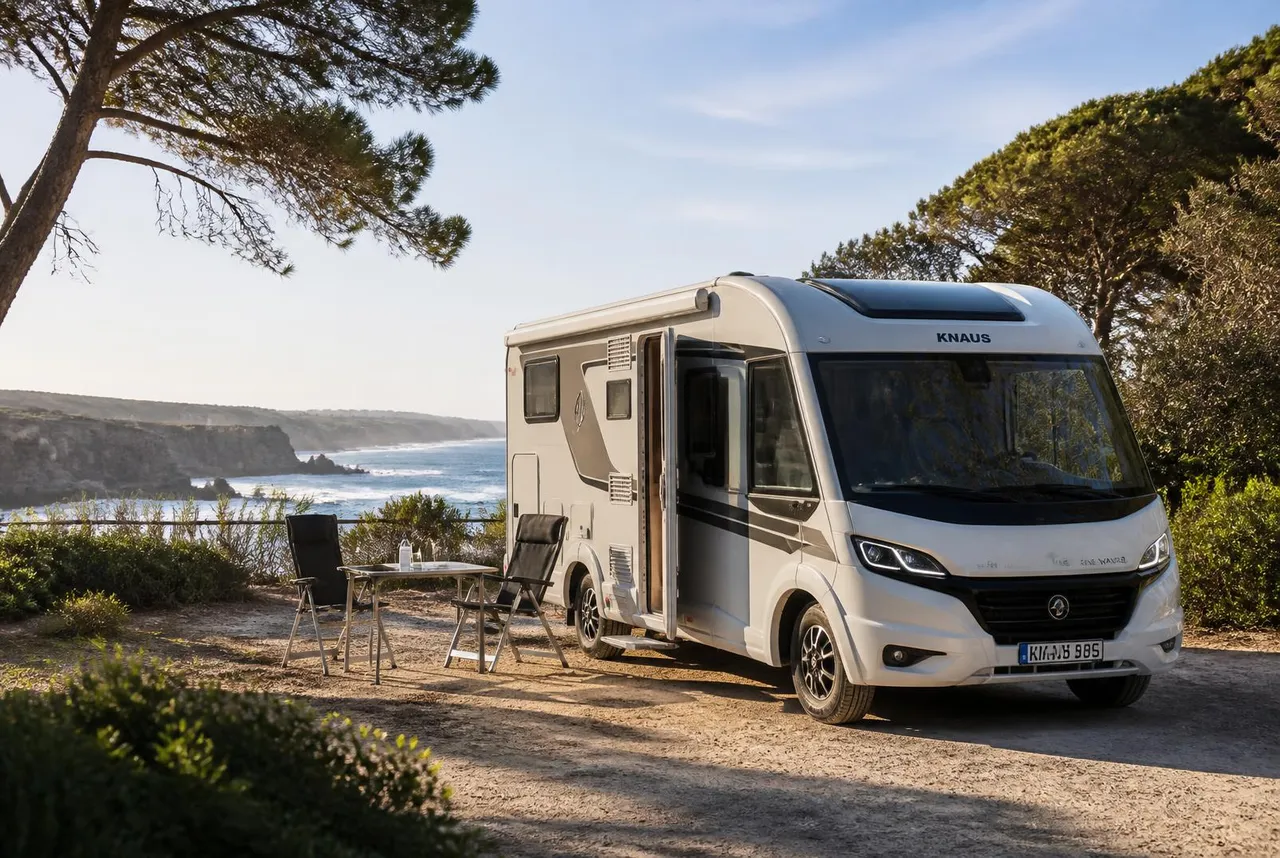
Portugal by RV and Van: Slow Roads, Ocean Air and Better Stops
A practical, respectful guide to campervan travel in Portugal, from the Atlantic coast to rural campsites and small towns worth slowing down for.