
The Douro in Winter: Wine Tourism When the Vines Are Bare
No harvest crowds, no 38 degree heat, and winemakers who actually have time to talk. Winter may be the honest season in the Douro.
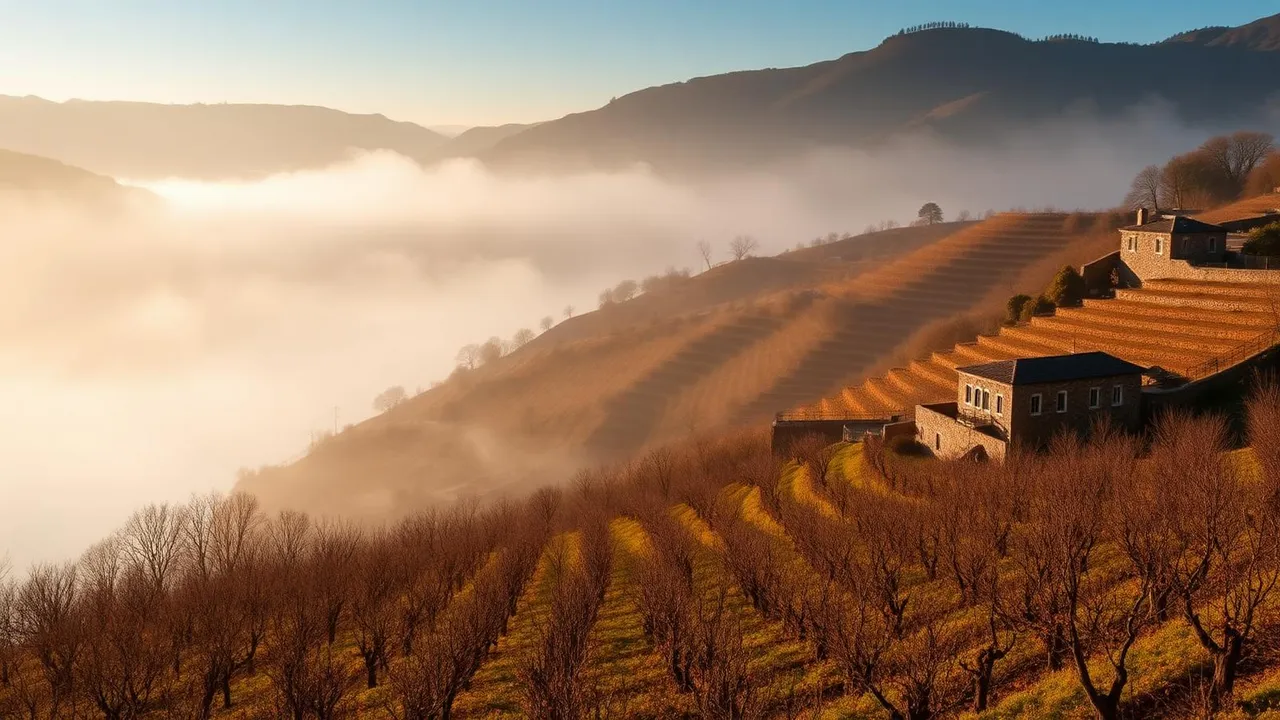
Photo: Terraced vineyards above the Douro in winter fog
Most people see the Douro in September, when the valley is hot, green and full of buses. Come back in January and it is a different place: the terraces turn rust and ochre, fog sits on the river until mid morning, and the same winemaker who had four minutes for you at harvest will now sit down, open something old and talk for an hour.
What actually happens in the valley in winter
Pruning is the work of the season. From late December to February, teams move along the terraces cutting last year's canes back to two buds, and several quintas let visitors follow along for a morning. It is cold, oddly meditative, and it teaches you more about how the wine gets made than any tasting room. November's olive harvest also means the new oil is on the table, greener and more peppery than anything you will buy at home, usually sold at the gate for eight or ten euros a bottle.
Which quintas to aim for
Around Pinhão, the big riverside houses keep daily tours and are the easy choice if you arrive by train. Between Régua and Lamego there are dozens of family estates where a visit means the owner, a stone cellar and a plate of cheese. Book by email a day or two ahead in winter, since nobody is standing at the gate waiting. Expect 15 to 35 euros for a tour and tasting, more if you want to go deep into aged tawnies and vintages.
Do not skip the port lodges in Vila Nova de Gaia on the way through. Winter is when their guided vertical tastings actually have space, and a 20 year tawny drunk on a grey afternoon beside the river makes complete sense.
The train is the best road
The Douro line from Porto's São Bento station to Pinhão takes roughly two and a half hours and spends the final forty minutes running at the water's edge. Sit on the right coming from Porto. Tickets cost around 15 euros each way and the train is rarely full in winter. From Pinhão you can walk to two quintas, and most others will fetch you.
Sleeping, eating, budgeting
Rooms are the story. A quinta suite that asks 260 euros in September regularly sits between 90 and 130 in January, breakfast included, and often with the fire lit in the living room. Restaurants in Régua and Pinhão serve posta à mirandesa, roast lamb and river fish for under 20 euros a head. Bring layers, since the valley is warm in the sun and genuinely cold in the shade, sometimes ten degrees apart on the same terrace.
One planning note
January and February bring rain in bursts, and the valley roads are narrow with steep drops. Drive them in daylight, or take the train and let someone else handle the bends. If you like this kind of slow winter trip, the thermal spa guide pairs well as a second stop on the way south.
FAQ
- Are Douro quintas open in winter?
- Many are, but on shorter hours and by appointment. The larger houses near Pinhão and Peso da Régua keep daily tastings, while small family quintas ask you to email a day or two ahead.
- What is there to see if the vines are bare?
- Pruning runs from December to February and you can often join it, olive oil from the November pressing is at its freshest, and the terraces without leaves show the stonework that got the valley its heritage listing.
- How much is a tasting?
- Usually 15 to 35 euros for three to five wines with a tour, and around 60 to 90 euros for a vintage port flight at one of the big houses. Winter often includes a free extra pour because it is quiet.
- Can I get there without a car?
- Yes. The Douro line train from Porto to Pinhão takes about two and a half hours and runs along the river for the last stretch. Several quintas collect guests from the station if you book ahead.
Latest articles
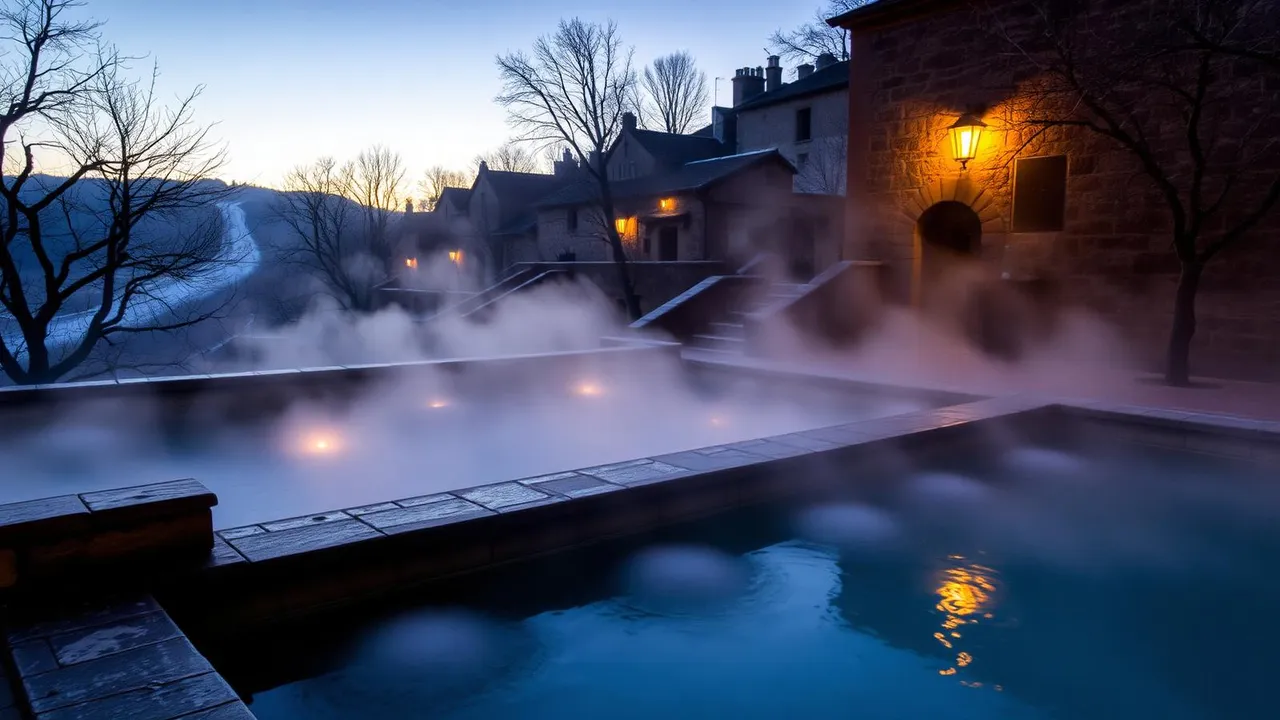 Wellness & Health
Portugal's Thermal Spa Towns in Winter: Hot Water, Empty Streets
Steam over stone, water that leaves the ground at 70 degrees, and half-price rooms. Winter is when Portugal's termas make the most sense.
 Slow Travel
Alentejo Slow Travel: A Seven Day Week of Wine, Cork Roads and Empty Horizons
Seven days across the Alentejo at the speed the region actually moves, with the wine estates, villages and long lunches that make it work.
 Landscapes
Douro Valley: Terraces of Wine and Time
Slow trains, lazy river cruises, and family quintas where Port has been ageing for five generations.