
Douro Valley: Terraces of Wine and Time
Slow trains, lazy river cruises, and family quintas where Port has been ageing for five generations.

The Douro is the kind of place you keep trying to photograph and then give up, because no lens really captures how the light slides down those terraced hills in the late afternoon. The river bends, the vines step down to the water in narrow rows cut by hand over centuries, and the whole valley feels like it is breathing slowly.
The easiest way in is the train from Porto's São Bento station to Pinhão. The first hour is ordinary suburbs and then, somewhere after Régua, the track hugs the river and everything outside the window turns into postcard material. Pinhão itself is tiny, with a beautiful little station tiled in blue azulejos showing the harvest. Use it as a base. From there you can walk up to one of the family quintas for a tasting, ride a traditional rabelo boat for an hour, or just sit on the terrace of your guesthouse with a glass of dry white Port and watch the swallows.
If you have a car, drive the N222 between Peso da Régua and Pinhão. It has been called one of the most beautiful roads in the world and, for once, the marketing is not exaggerating. Stop often. Pull over at the miradouros, even the ones that look like nothing on the map, because half of them open onto a view that quietly resets your week. Lunch is best at a small winery restaurant, somewhere with only four tables and a menu that changes with whatever the cook felt like buying that morning. Order the posta de vitela, ask for a glass of whatever they make themselves, and do not plan anything serious for the afternoon.
Go in late September or October if you can, when the vines turn yellow and red and the harvest is in full swing. The valley smells of crushed grapes and woodsmoke, and the work is loud and joyful, with families returning from Lisbon and from France to help bring the year in. Bring a sweater for the evenings, comfortable shoes for the steep paths, and absolutely no plan to rush.
FAQ
- What is the best time to visit the Douro Valley?
- September and early October bring the grape harvest, when quintas along the river host picking days and the terraces turn gold and green, while May offers milder heat for hiking between vineyards.
- How do you get from Porto to the Douro Valley?
- The regional train from São Bento station follows the river for the final stretch into Pinhão, a two hour ride that is considered one of the most scenic in Europe and costs a fraction of a rental car.
- Can you visit vineyards without a car?
- Yes, several quintas near Pinhão and Peso da Régua are within walking distance of the train stations, and river cruises departing from Porto stop directly at riverside estates for tastings.
- How much does a Douro wine tasting cost?
- Most quinta tastings with three or four wines and a cellar tour run between 15 and 30 euros per person, while a full lunch paired with regional wines typically adds another 25 to 40 euros.
Latest articles
 Food & Drink
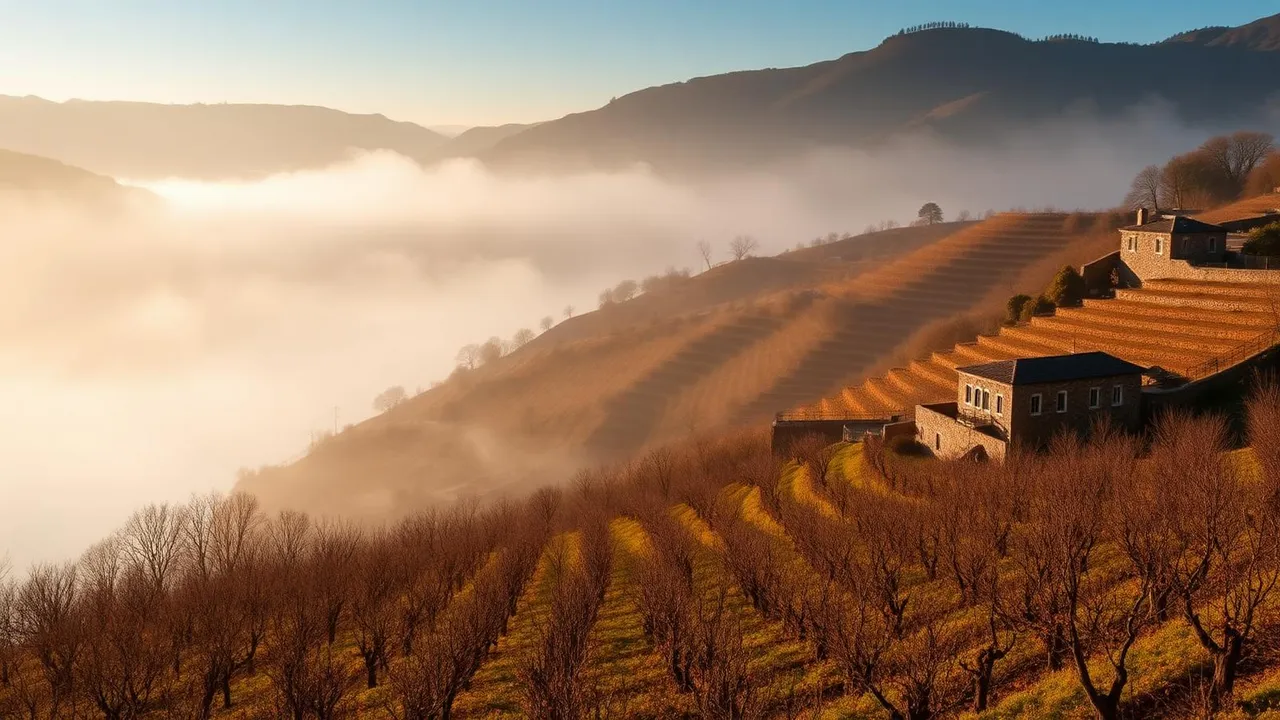
The Douro in Winter: Wine Tourism When the Vines Are Bare
No harvest crowds, no 38 degree heat, and winemakers who actually have time to talk. Winter may be the honest season in the Douro.
 Slow Travel
Alentejo Slow Travel: A Seven Day Week of Wine, Cork Roads and Empty Horizons
Seven days across the Alentejo at the speed the region actually moves, with the wine estates, villages and long lunches that make it work.
 Landscapes
Sintra's Misty Palaces: A Romantic's Daydream
Yellow turrets, mossy grottos, and the strange, dreamlike magic of Quinta da Regaleira.